


July 10 2026
By Paul Conroy
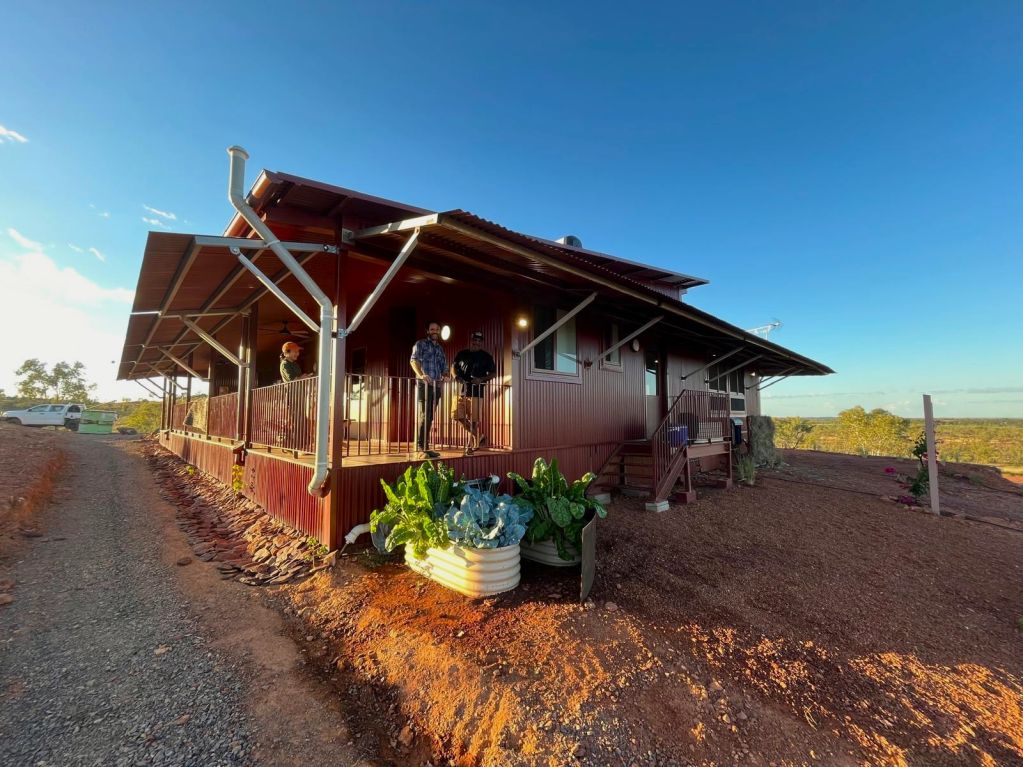
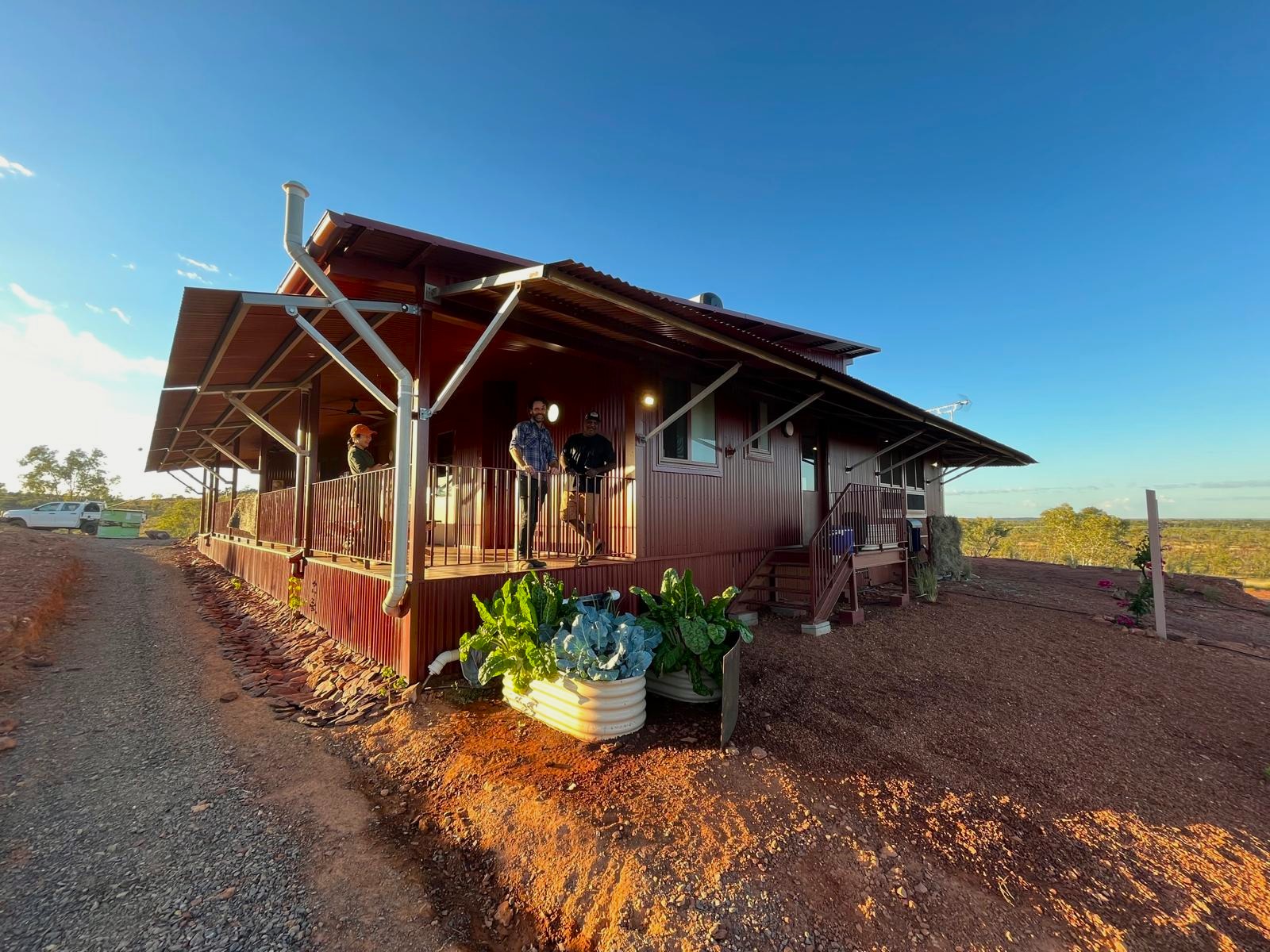
Last night, Wilya Janta’s first Explain Home was officially opened in Tennant Creek. An innovative housing design initiative established by Indigenous and non-Indigenous founders, Wilya Janta has reinvented remote housing design and construction, putting the tenant at the centre of the design process to build culturally and climate-appropriate homes.
Housing is one of the most important determinants of health. When homes are overcrowded or unsafe, the impacts are immediate and long-term—spreading infectious disease, disrupting sleep, and placing strain on families. Improving housing improves health, well-being and opportunity. Now focusing on the next phase, Wilya Janta's Chief Operating Officer, Simon Quilty, said. 'Wilya Janta is really looking forward to working with the government to roll out our community consultation across remote Northern Territory with the aim of building more culturally safe climate-ready homes that allow families to thrive.' The Foundation is proud to have supported the pilot project to build the first Explain Home and congratulates Wilya Janta on this milestone.
In April, the World Health Organization (WHO) announced that Australia had eliminated trachoma as a public health problem. This achievement reflects decades of dedication by Aboriginal and Torres Strait Islander communities, health workers, researchers and policymakers working together to address a preventable disease that disproportionately affects Indigenous Australians.
At the centre of this effort is Professor Hugh Taylor, whose leadership, research and advocacy have been instrumental in advancing Indigenous eye health in Australia. The Foundation is proud to have supported Professor Taylor and the Indigenous Eye Health Program (Minum Barreng) at the University of Melbourne, providing $2 million in funding from 2008 to 2018 to this public health program that addresses treatable eye disease in Australian Indigenous communities.
Grounded in strong partnerships with Aboriginal and Torres Strait Islander communities, local health workers and clinics, the Minum Barreng program has promoted prevention, improved access to care, and driven broader systemic change to address treatable eye disease. The program helped strengthen national coordination, improve data and monitoring, and maintain focus on trachoma elimination as a national priority. The WHO announcement is a powerful reminder of what can be achieved when communities, researchers and governments work together over the long term.
Last month, I also had the pleasure of attending the official opening of the Aikenhead Centre for Medical Discovery (ACMD) at St Vincent’s Hospital in Melbourne. It was an inspiring occasion and a powerful example of the bold thinking required to tackle complex health challenges. As Australia’s first hospital-based health technology centre, ACMD brings together clinicians, researchers and industry partners in a purpose-built environment designed to accelerate collaboration and innovation.
Walking through the Centre, it was striking to see how deliberately it has been designed to connect discovery with real-world care. By bringing researchers, healthcare professionals and innovators together alongside a major tertiary hospital, ACMD creates the conditions for new ideas and technologies to move more quickly from the laboratory to the bedside.
The Foundation has proudly supported ACMD from its earliest stages, investing $6.1 million since 2016 to help realise this ambitious vision. Seeing that commitment come to life in such a significant facility was very rewarding.
Together, these milestones demonstrate that meaningful progress rarely happens overnight. Whether addressing longstanding public health challenges or creating the infrastructure for future breakthroughs, lasting impact depends on vision, partnership and sustained investment—principles that continue to guide the Foundation’s work today.


We acknowledge the Traditional Custodians of the land on which we work. We pay our respects to their Elders past and present.

